These creators want to change the way you think about remakes
From Final Fantasy VII to Karateka, creators like Naoki Hamaguchi and Jordan Mechner are looking for new ways to tell old stories

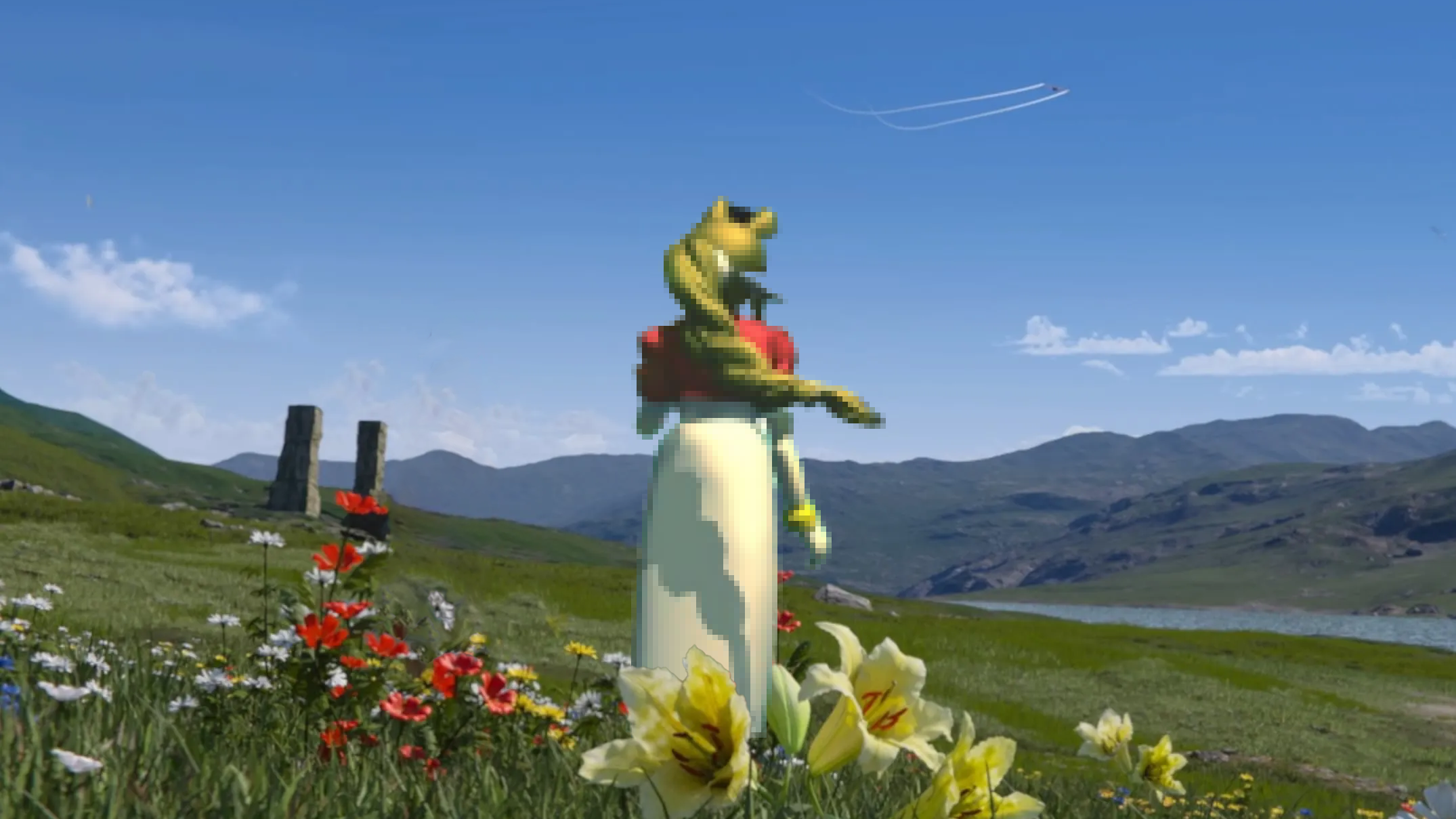
Naoki Hamaguchi wants to change the way you think about remakes.
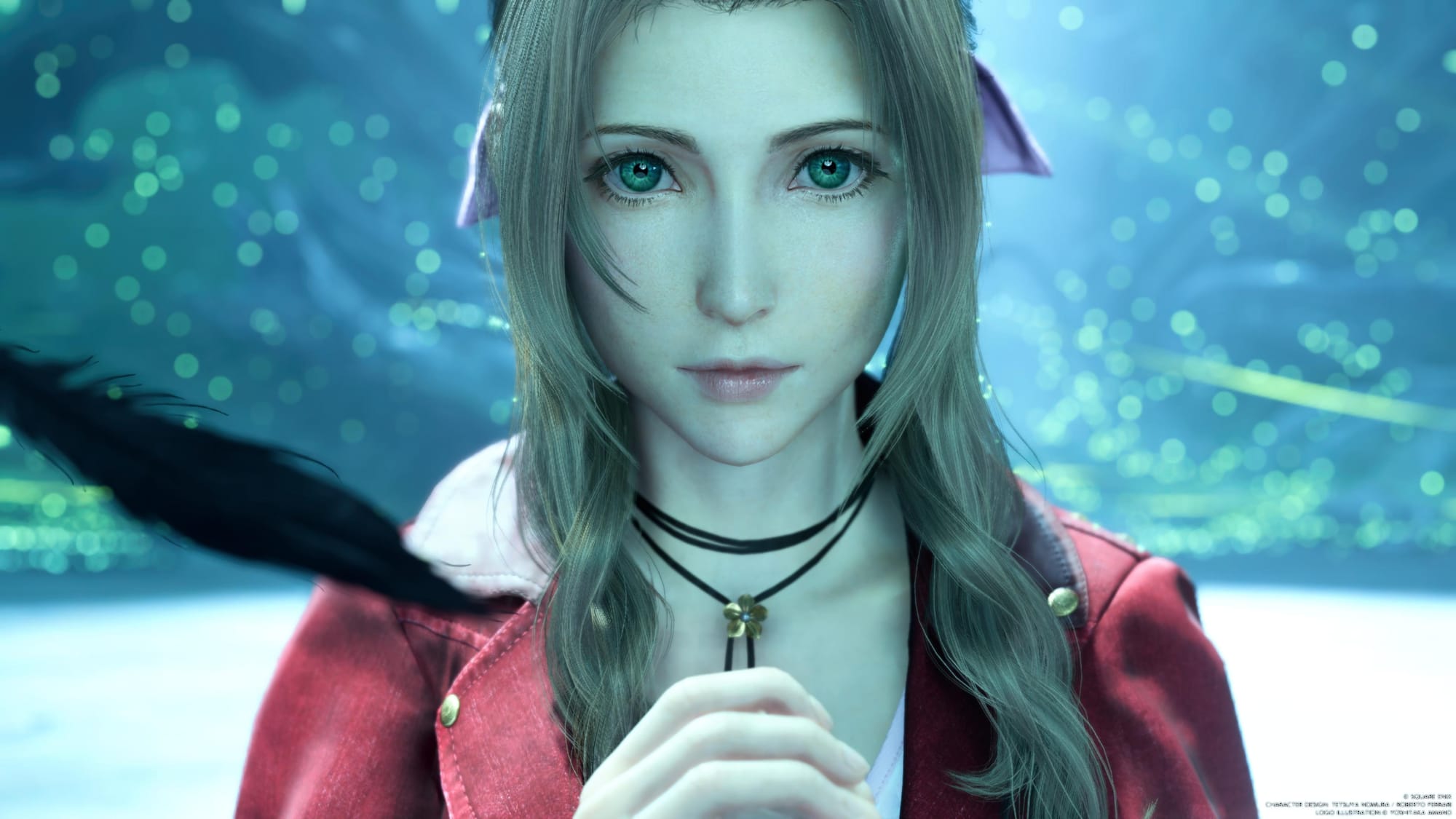
Like its 2020 predecessor, Final Fantasy VII Rebirth the middle entry in Hamaguchi's "new" Final Fantasy VII trilogy, blends the traditional formula of modernizing a classic game—in this case 1997's megahit, Final Fantasy VII—with an unusual subversion of the original game's story that turns it into not just a remake, travelling the well-trod plot and world of the original, but a surprising pseudo-sequel in direct conversation with the story fans have loved for over two decades.
One of Remake's big curveballs were subtle hints scattered throughout the game (often accompanied by mysterious, ghost-like "whispers") that fan-beloved antagonist Sephiroth was steering the original game's narrative toward an ending more to his liking. Seeing how the original FFVII ended with its conflicted hero Cloud Strife defeating saving the planet from the a Sephiroth and the endless hunger of late-stage capitalism, whatever the silver haired-antagonist's got planned for the third and final game in the series is presumably very bad.
With the antagonist seemingly aware of the original game's events, Final Fantasy VII Remake revealed itself not as a straightforward remake of the PlayStation classic, but a sequel toying with player expectations. Most of the game is recognizable, following major plot beats in lockstep with the original… until it's not, and, say Barrett is killed late in the game, only to be revived by Sephiroth's "whispers." Or the mysterious (and years-dead) lore character Zack Fair appearing alive and well in the main plotline. Rebirth continues this trend with several genuinely shocking twists, and an ending that still has fans buzzing for its implications and execution.
"We leveraged the fact that many people know about the world and story of the original Final Fantasy VII when we designed the remakes," Hamaguchi told me during the leadup to Rebirth's release. "In this title, our general framework follows the original storyline, but at the same time we incorporated elements clearly not included in the original, such as the Whispers and Zack." This creates a unique opportunity for a remake: uncertainty. "That sort of thrill is very important for this title as a piece of entertainment."
Even as Remake and Rebirth challenge the definition and purpose of video game remakes, blending the past with the future in a way that toes the line between remake and sequel, other titles, like Nintendo's Switch remakes of Super Mario RPG and Advance Wars 1+2: Re-Boot Camp, hold much closer to the source material, promising players an experience that focuses on preservation over revolution.
This sort of weaponized nostalgia isn't just happenstance. As Millennials age into their forties, raising a new generation of gamers, they've become a prime audience for nostalgic remakes that capitalize on the same middle-aged pursuit of childhood joys that pushed their parents to go record shop hunting for Pink Floyd vinyl. Video games are a particularly interesting medium for remakes, because gaming technology and game design have evolved at a rapid pace since Millennials were precocious teens asking their parents for a Super NES and a copy of Super Mario RPG.
"This can be said not only for games but also for movies and any form of entertainment as well," Hamaguchi said. "While the story or the world of a popular title may stand the test of time, the technology behind how this is depicted is always evolving, and so in order to share what makes a piece appealing, I believe the presentation itself needs to be updated as well."
Grown up children
Of course, video games aren't the only medium going through a nostalgia phase—from the Mean Girls musical reboot to the Backstreet Boys and Spice Girls embarking on reunion tours. Indiana Jones returned to theaters, Dune's the hottest thing going, and Willy Wonka's charming a whole new generation of kids with his delightful chocolates. Even Taylor Swift is remaking all her old albums (though for financial reasons, rather than artistic).
But not all remakes and reboots are created equal.
Take Netflix's recent Avatar: The Last Airbender remake, which inexplicably takes inspiration from HBO's Game of Thrones in its adaptation of the original Nickelodeon classic aimed at children, but beloved by viewers of all ages.
"It was about striking that right balance, of making sure you were true to the DNA of the original," explained showrunner Albert Kim. "But at the same time, we had to make it a serialized Netflix drama, which meant it couldn't just be for kids. It had to also appeal to the people who are big fans of Game of Thrones."
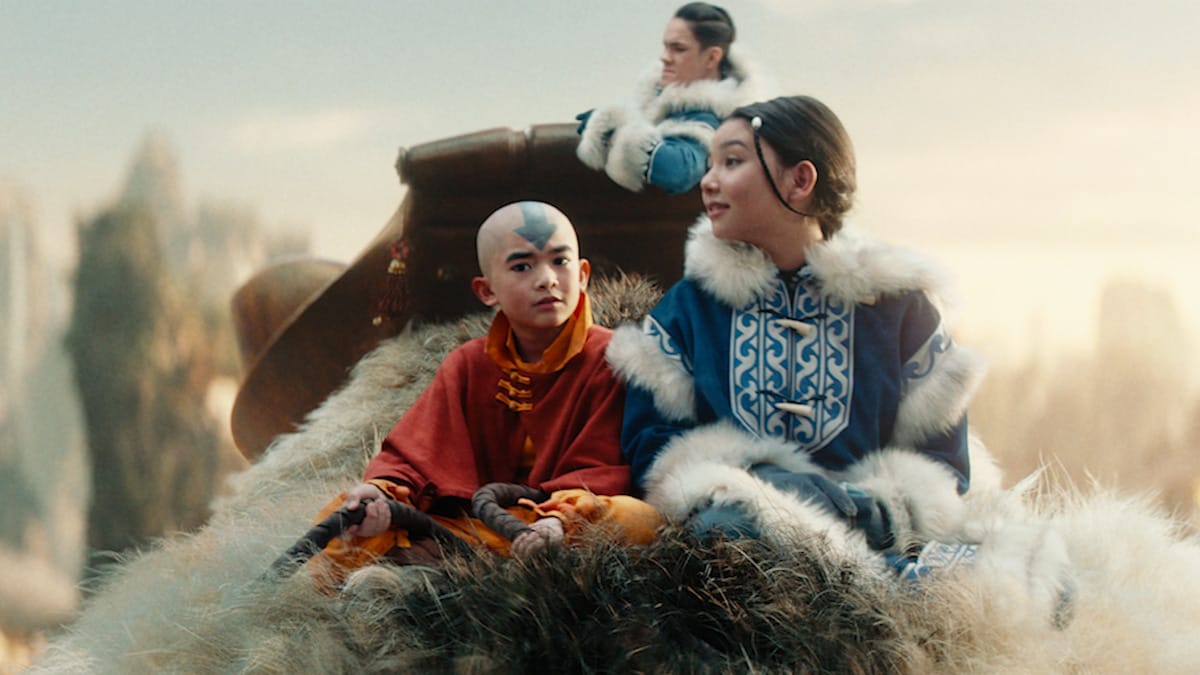
But, rather than emphasizing what made fans fall in love with Avatar in the first place, Kim's decision to chase the Game of Thrones audience fundamentally changes the experience. Avatar is, foremost, a show made for children, but series creators Michael Dante DiMartino and Bryan Konietzko understood that this didn't preclude them from also addressing serious themes and complex storytelling. There's nothing immature about the titular Avatar Aang's conflict of being a pacifist carrying the weight of war on his young shoulders, or Azula's confrontation of the trauma she carried from her broken relationship with her mother. Game of Thrones didn't feel "mature" because of the full frontal and graphic beheadings, but because the conflicts faced by its popular characters were complex and had no easy solutions.
Avatar: The Last Airbender already supplies everything you need to create a modernized, live action remake that appeals to adults. By eschewing, or, worse, misunderstanding, the core strengths of the existing version show, game, or film you're remaking (the one your core audience fell in love with in the first place), however, you're likely to create something inherently inferior—a show or a game or a film that wants to be something for everybody, but winds up being nothing for nobody. A huge part of Avatar's success resulted from adults who discovered it after its initial run on Nickelodeon, and their tastes likely haven't abandoned Avatar's heart and charm for Game of Thrones's nihilism.
Threading the needle between embracing what made the original so popular, and modernizing the experience not only for the existing audience, who are now decades older, but also a younger audience—their kids—requires a deft understanding of the original's successes, the modern entertainment landscape, and the discipline not to chase trends that might not age well.
For Hamaguchi and his team, it was essential to identify where it made more sense to change essential story moments versus diving deeper and adding more details and context to story elements and characters. Final Fantasy VII Rebirth manages this by taking the elements that made the original and expanding on them in ways that enrich the original experience without trying to change it into something else entirely for a new audience. It's confident that its core strengths are enough to reach longtime fans and newcomers alike.
"Any areas where we changed the core story, we’d be very mindful of keeping the structure simple and easy to understand; the 'Whispers' in Remake, and 'Zack’s presence' in Rebirth are two examples," he explained. Their goal wasn't surprise for surprise's sake, but, rather, to address areas where improved technology required them to go "one step further with the lore and settings or else it would lose any sense of realism."
They plumbed the original game's lore for opportunities to expand, and even looked to the various "compilation" titles (like 2006's third-person action spinoff, Dirge of Cerberus) to add depth to the story. If they saw a gap that wasn't filled by existing content, the development team would "expand on it based on [their own] interpretations, including how entertainment is presented in modern times, to adjust the settings and/or game design."
Spiritual Successor
Where many remakes look to memorialize their predecessors in many different ways, the outcome is generally aimed at preserving the memories and experiences of original players within a modernized environment and systems. 2023's Endless Dungeon from Amplitude Studios flips that on its head as it delivers a high octane tactical experience that embraces turn-based strategic thinking for an on-the-fly experience more in line with other popular games like Fortnite.
A spiritual successor to 2014's Dungeon of the Endless, Endless Dungeon swaps pixel art tower defense gameplay for sublime blend of real-time twin-stick shooting and tower defense that at once feels true to the original, and modernized in a way that perfectly fits the popularity of popular twitch-based squad shooters like Helldivers II.
Amplitude Studios's Corrine Billon doesn't want players to think of Endless Dungeon as a sequel, but rather as a spiritual successor. "It's not an adaptation, but an evolution," she told me. "We wanted to keep a similar tone and ambiance, and to preserve our narrative director's off-beat humor."
One of the main challenges for Billon, art director on Endless Dungeon, was to retain the game's visual flair while moving from 2D retro-inspired pixel art to 3D graphics—a similar challenge faced by Hamaguchi's Rebirth team.
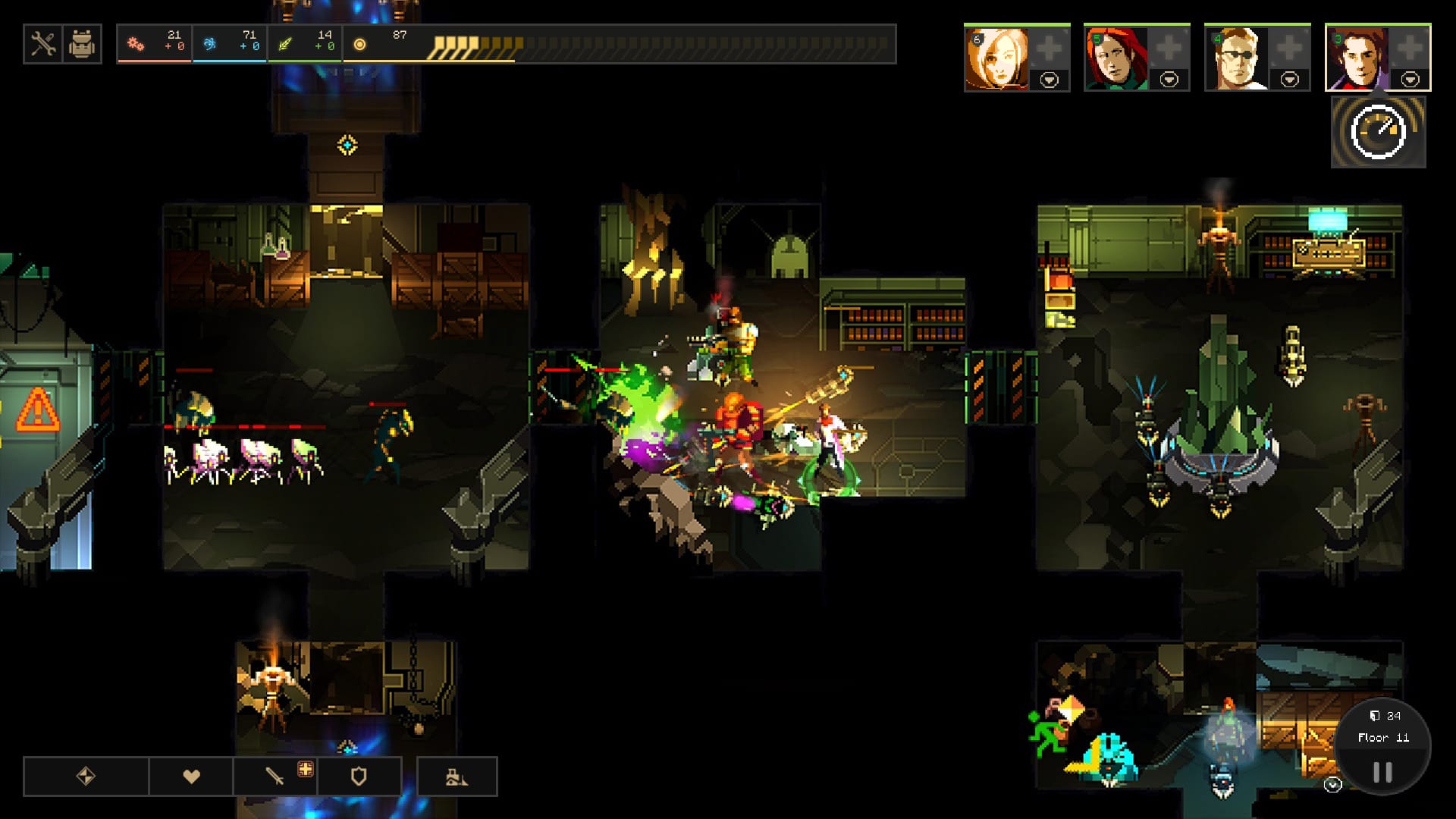
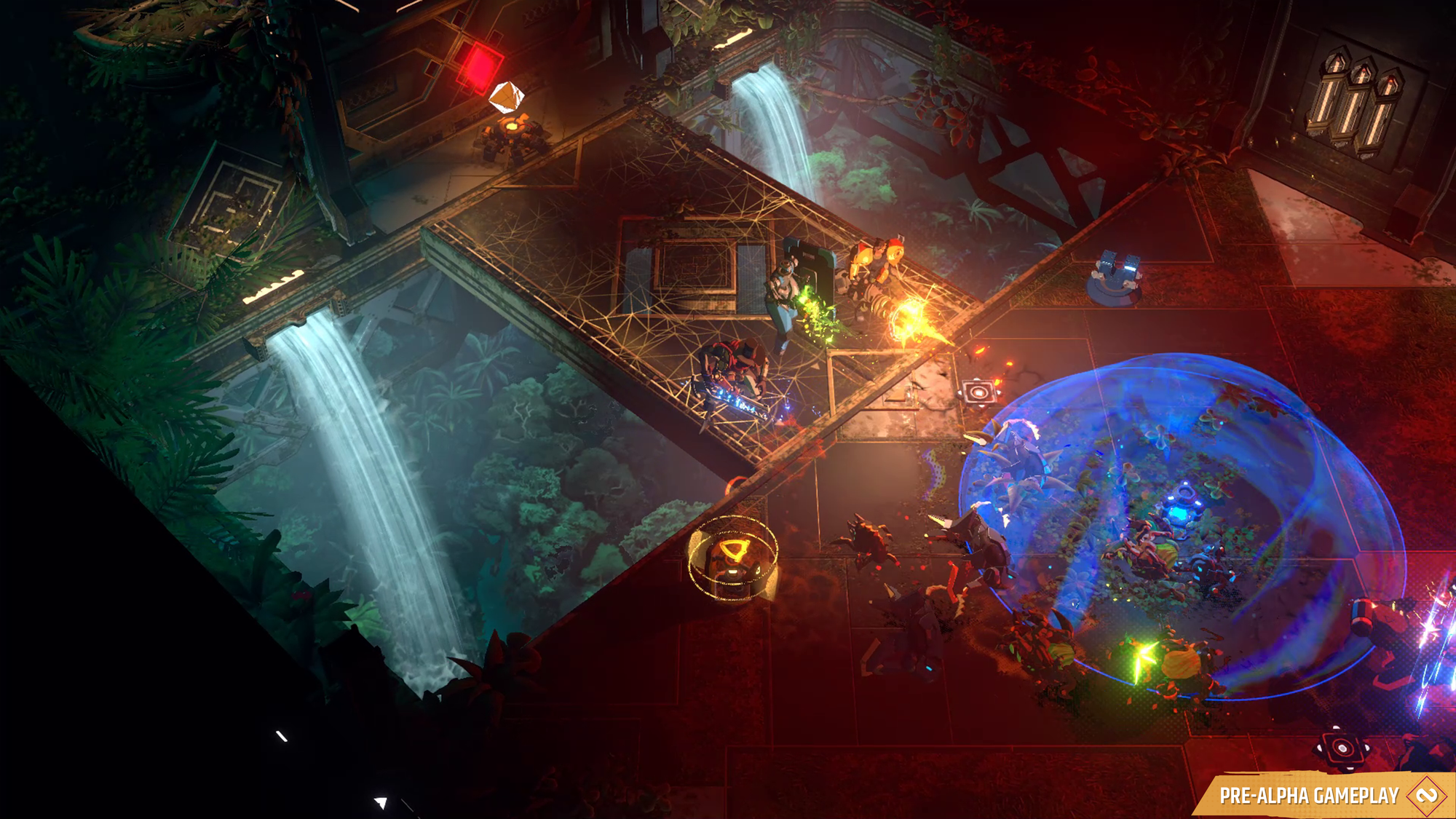
Dungeon of the Endless (left) and Endless Dungeon (right)
"I think we're in a place where movies were in the 90s," said Amplitude Studios creative director Jean-Maxime Moris when he described the challenges of wowing players with modern graphics. Like Endless Dungeon, Final Fantasy VII Remake's a nice looking game, but it doesn't represent the same raw graphical leap over its predecessor the way the original did compared to the 16-bit titles. It's not about making the most realistic version of Final Fantasy VII possible, but the one that most closely matches the player's memories of the original. "You'll never get the shock factor of going from the Super Nintendo to the PlayStation," Moris said, because the curve is flattening and graphics are reaching a point of diminishing returns even as console power continues to climb with each new generation. "That will just simply never happen again."
Moris has always been interested in the past and how it can be manipulated to change the future. Prior to departing for Amplitude Studios, he co-founded DONTNOD, the game studio responsible for 2015's Life is Strange. Protagonist Max Caulfield is sort of a Hasselblad-toting Pacific Northwest version of Sephiroth with the power to rewind time to change the future. Except Max has a keen sense of morality, and learns you have to be careful tinkering with time.
Technical limitations in past console generations forced game designers and artists to find creative solutions, but that limitation has disappeared as consoles have become more powerful, so returning to a game a decade or more later can be overwhelming when you consider all the new directions afforded by modern technology. But, unlimited opportunity isn't always the most effective way to create great gaming experiences, according to Moris.
So, instead, Billon turned to tried-and-true graphical techniques inspired by retro comic books to help sell the retro feel of their 3D world, and mimic the limited technical environments that defined decades of game development. According to Billon, the goal of remakes isn't necessarily to bring older games into the realm of photorealism. "I don't think that imitation of reality has much of anything to do with the universe," she said. "So I'm really not a fan of photorealism."
Instead, it's about taking that initial core experience, and retaining its best elements within a new sandbox. Something that makes people feel the same way they did a decade (or two or three) ago when they first played the original.
"It's always good to go back to the classics," said Moris. Despite all the advancements in technology, for him, nothing beats the Neo Geo and high-end 16-bit graphics (or, well, 24-bits, in the case of the Neo Geo) for inspiration. The past holds treasures for the future.
History Lessons
So, it begs the question: are remakes meant to replace the original? Or provide a new experience for a new audience? According to Hamaguchi, it's a little bit of both. Respecting the original work is paramount, he said. "But when I work on a remake I do it in hopes that it will be remembered by people in this current era as the new Final Fantasy VII."
Just as every fan brings something different to the games they play—their expectations, history, and tastes—so too does every reimagining of an older game bring something new to the experience, whether its a pixel-perfect recreation meant to replace the difficult-to-access original—like the upcoming remasters of Suikoden and Lunar—or a lavish new experience that challenges the very concept of "remake."
2023's Super Mario RPG from Nintendo was an extremely faithful remake, updating the graphics and adding some new combat elements, but otherwise emulating the 1996 Super NES original almost perfectly. To the point you could pull up a 25 year old FAQ and breeze through the remake without blinking an eye. Everything's in its place to the point where an OG fan's muscle memory will kick in as they explore the game's platforming-heavy world and timing-based combat. 2024's Switch remaster of Paper Mario: The Thousand-Year Door was the same to an even stricter degree.
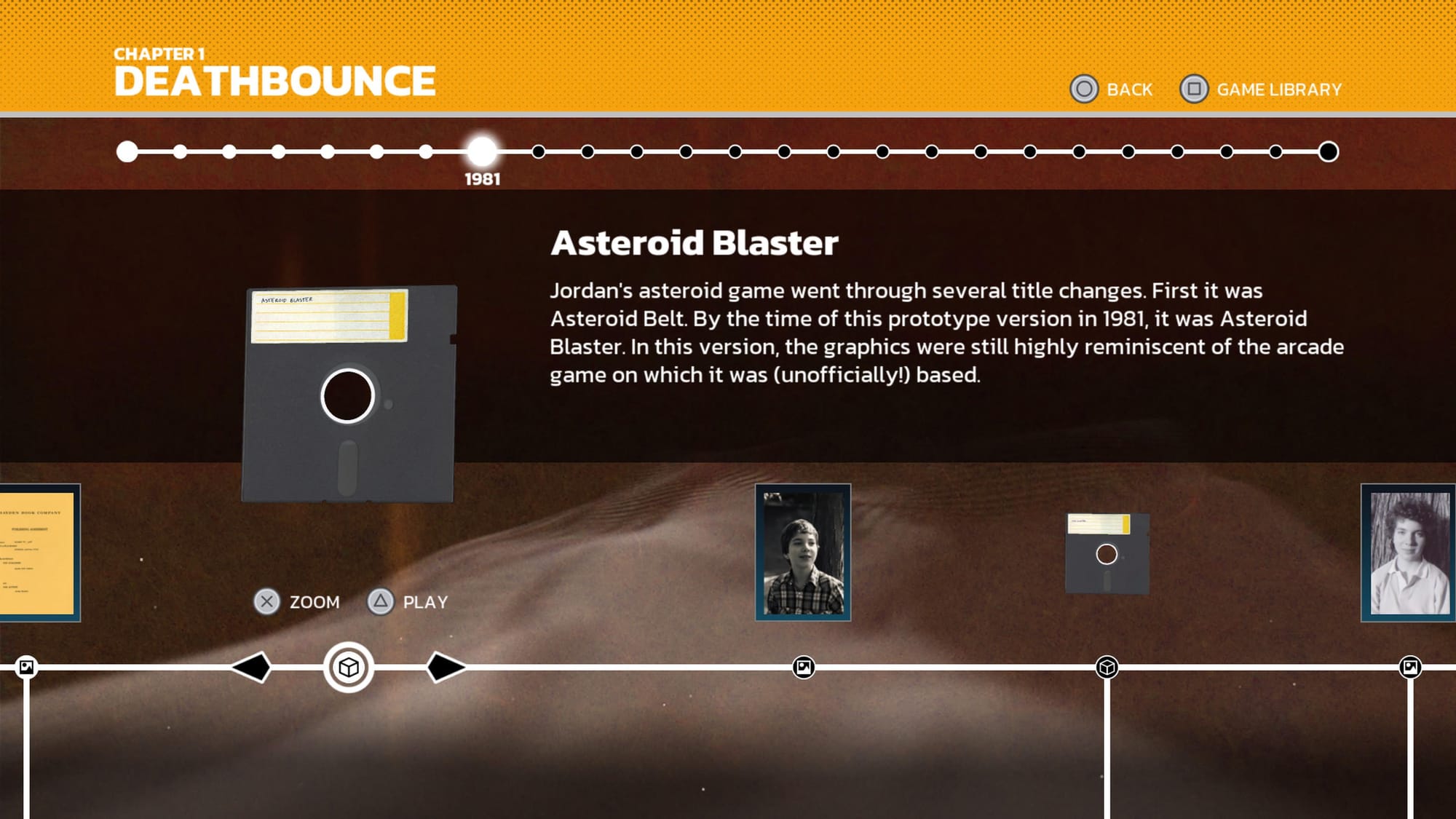
As video games have matured from a new medium in the 60s and 70s, to a multi-billion dollar industry with 60+ years of history, many collectors, organizations, and companies have turned their eye toward preservation efforts. Super Mario RPG's faithful recreation of the original isn't a replacement for preserving access to the original game, but it does highlight how older games don't require modernization and vast systems changes to be appealing to modern players.
In August, 2023, Digital Eclipse released The Making of Karateka, an interactive documentary that aims to preserve the many original releases of Jordan Mechner's groundbreaking 1982 martial arts action game Karateka. Along the way, it tells the story of Karateka's creation, journey, and legacy as the player moves through an interactive timeline and plays different versions of the game's releases across many game systems and computers. Where Remake and Rebirth are remakes-cum-sequels, The Making of Karateka is a remake-cum-museum exhibition.
In the best case scenario, the games industry looks at titles from the 70s and 80s as fun curiosities, explained Digital Eclipse editorial director Chris Kohler. "At worst, however, they're seen as disposable." There's this overriding concept that video games have evolved to a point that renders their simpler origins obsolete, a viewpoint Kohler calls "dismissive."
And even when history is preserved, it's whittled down to a mere chalk outline of the full story. "It's like a game of telephone," continued Kohler, "and by the end it doesn't really resemble what really happened." In a lot of ways, this perfectly describes Rebirth and its familiar-yet-different telling of Final Fantasy VII's story. It's Final Fantasy VII, but not that Final Fantasy VII.
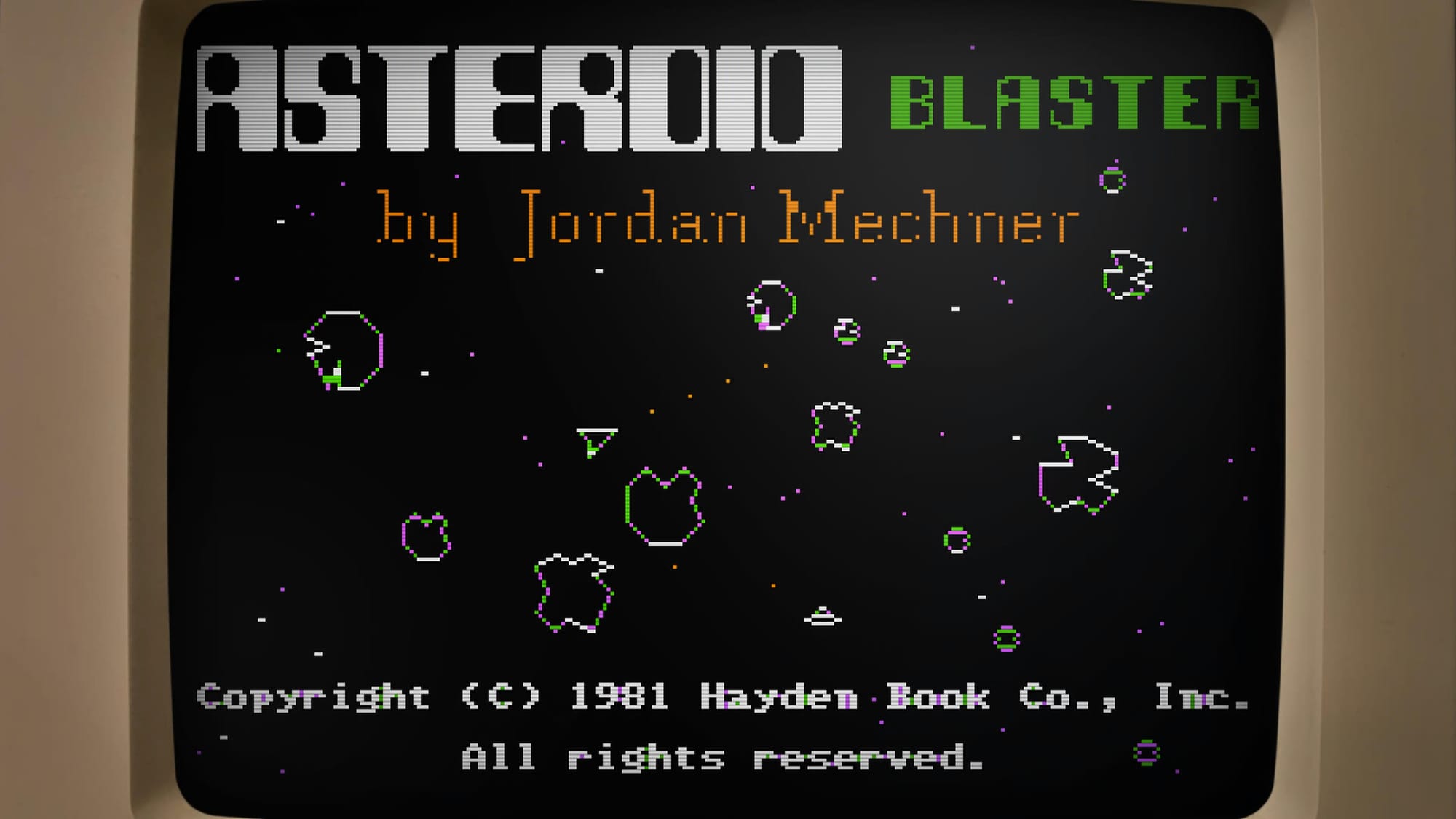
By mixing museum-like digital exhibitions (featuring written material and deep dive interviews with Karateka creator Jordan Mechner) with lovingly preserved and presented versions of Karateka, The Making of Karateka is redefining the concept of what a remake can provide players. Karateka is almost devoid of story, but The Making of Karateka is a rich narrative experience about passion and creativity, the evolution of the games industry, and a parable about the importance of preserving games history to provide a foundation for future generations of fans and creators.
Kyle Orland sees games journalism going through a similar evolution as film journalism as people started to treat the medium more like art rather than disposable entertainment. "The first generation to really grow up with video games is hitting middle age and getting that real nostalgic pang, which would create some audience for it," said the senior gaming editor at Ars Technica and gaming historian. His 2023 book Minesweeper details the history of the titular game that trojan horsed its way into becoming one of the most popular games of all-time—even among non-traditional gaming audiences.
"The audience that created those games for our generation is now nearing retirement age," Orland explained. Some have now passed away, taking with them all the details and stories alluded to by Kohler when he explained how the history of games is often whittled down to its bare and inaccurate essentials. So, Orland continued, this is the time to capture those stories, to reach out to creators nearing or past the end of their careers and chronicling their journeys in "swan song" memoirs and histories.
"It's really leading to a real explosion of interest in video game history right now."
Remaking Remakes
The Final Fantasy VII Remake trilogy is about rewriting history, about tapping into our core memories—the real ones, and the ones that have accumulated and blended over the years into something that approximates the real thing, but are coloured by our personal experiences and biases.
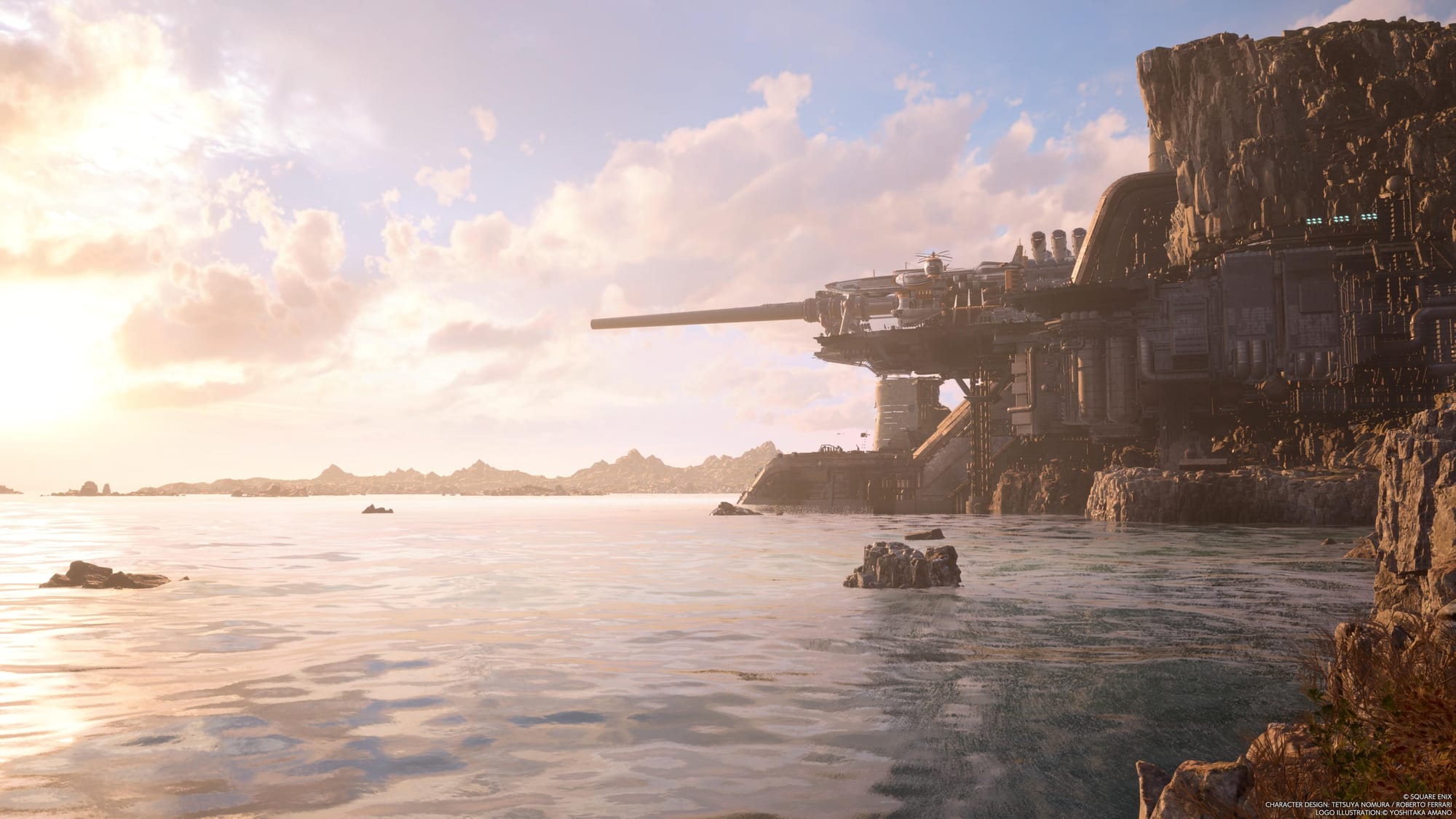
One of the major challenges facing Hamaguchi and his team was transitioning from a largely 2D game with flat, prerendered backgrounds, to a full 3D world that still felt like the same place. "In the original, the scenery looks as though you are looking down on it from the top, but I’m sure as players went on their adventures, they imagined how it would look if the scenery was right in front of their eyes," he explained." Due to the abstraction of low-resolution prerendered backgrounds, the imagery in the original game was interpreted differently from person-to-person. "In an effort to figure this out, we looked at not just the direct image references or lore, but also the emotions that may have been evoked during game and story progression."
Hamaguchi and his team were mindful of leaning into how players experienced the immersive enjoyment of adventure, and tried to focus on "heights that would help elevate emotions, expansiveness that would help give you that sense of freedom and release, closed-in areas that would accentuate the pressure you may feel." The goal, he said, was to build environments that weren't just obstacles, but also evoked the same emotional response as the prerendered backgrounds in the original.
In this way, Hamaguchi's team recognized that a remake doesn't necessarily have to emulate the systems or mechanics or experiences of the original to be successful. Rather, like Endless Dungeon or the surprise megaviral smash-hit Helldivers 2, which made a similar transition between pseudo-sequels, it's about capturing the specific heightened emotions that made the original game a success in the first place, and replicating those as best they could—or better—using modern technologies and game design.
"It would make me happy if players of this title experience a sort of flashback of the feeling they had when they played the original," said Hamaguchi.
In an entertainment culture obsessed with sequels and existing IP (or at least a business culture obsessed with the predictable returns associated with those things), gaming remakes, reboots, and reimaginings of all stripes are here to stay. As the first generation to only know a world with video games, Millennials will continue to see their favourite properties shaped and reimagined by new generations of artists, writers, and game designers. These games will continue to take aim at the popular hits of the 80s and 90s, weaponizing our core memories against our wallets and enlisting us as willing salesmen as we work diligently to convince our kids that our generation of TV shows, films, and games truly was the greatest generation.
But it's also about recapturing the magic we felt about teenagers, and imagining old stories through new lenses. It's about persevering experiences, and keeping stories intact so future generations can understand how art evolves and changes alongside technology and human culture. It's about challenging expectations and biases, and reminding us that just because Cloud Strife won the first time, it doesn't mean there aren't an unthinkable number of universes where he lost.
As we grow up, our objective experiences become intrinsically bound to the wild and subjective emotions raging through us, creating a memory that's a heady sum of the truth. Super Mario RPG wants you to feel like a kid again, and Avatar: The Last Airbender wants you to feel like an adult while enjoying a show for kids. Endless Dungeon wants to capture a vibe. And Final Fantasy VII Rebirth? If Naoki Hamaguchi has his way, Rebirth will remake your memories entirely.
Support
There are lots of ways to support Astrolabe and my other work. Check ‘em out!
Keep In Touch
Enjoy Astrolabe? Want more SFF and retro gaming goodies? You can find me on Twitter and my website.
Credits
Astrolabe banner photo by Shot by Cerqueira on Unsplash